
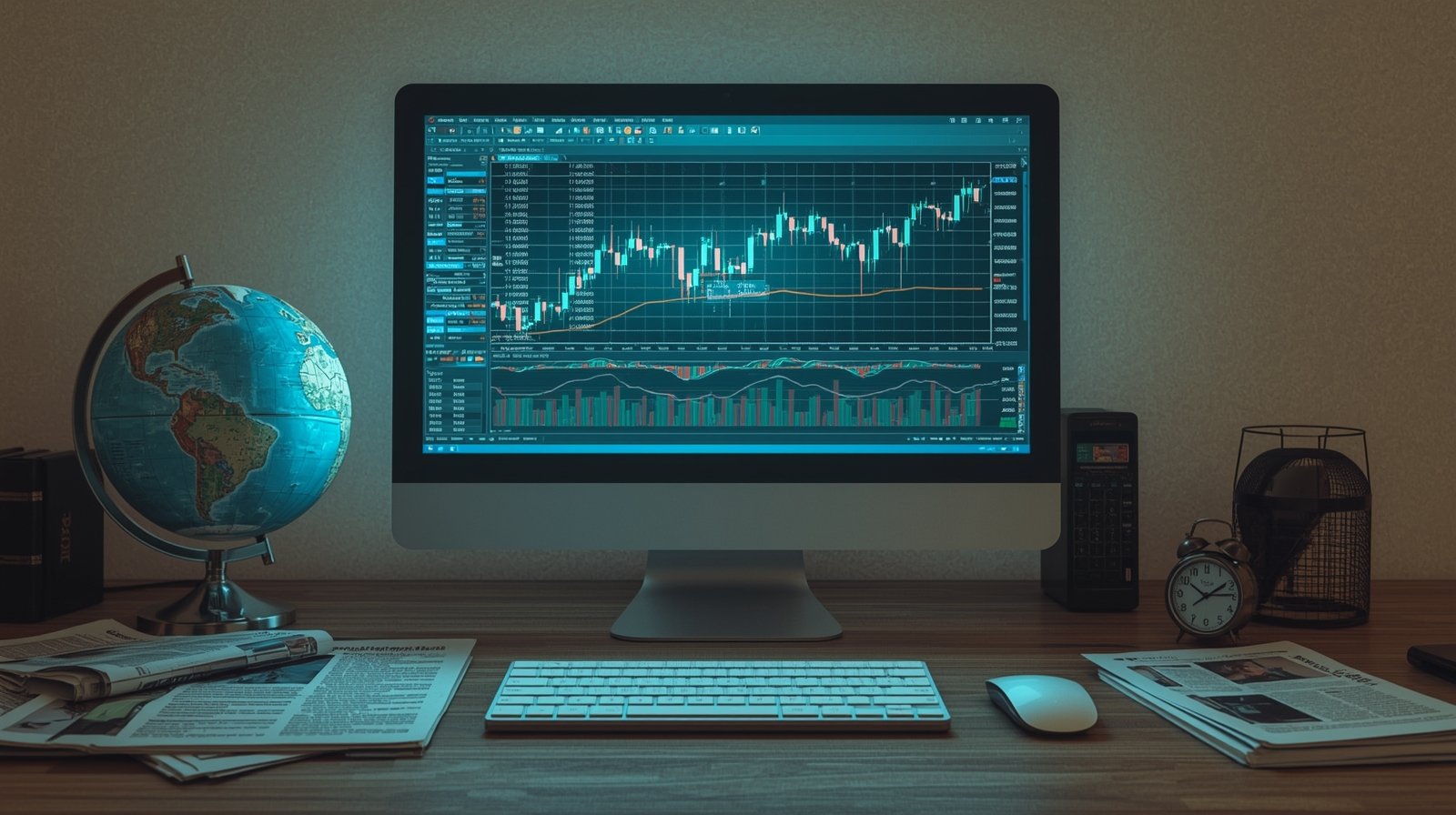
For working professionals juggling career demands, family obligations, and personal goals, finding time to actively trade financial markets feels nearly impossible. The traditional image of successful traders glued to multiple screens, analyzing charts for hours, and making split-second decisions doesn’t fit into most people’s schedules. Yet the potential to grow wealth through trading remains attractive, especially as inflation erodes purchasing power and traditional savings accounts offer minimal returns.
This is where algorithmic trading enters the picture. Once exclusive to Wall Street firms and hedge funds, automated trading systems now give everyday professionals access to sophisticated market strategies without requiring constant attention. These systems work around the clock, executing trades based on data analysis rather than emotions or guesswork.
Algorithmic trading uses computer programs to analyze market data and execute trades automatically based on predefined rules. For busy professionals, this means potential market participation without spending hours monitoring charts, making it possible to pursue trading opportunities while maintaining a full-time career.
Why Manual Trading Doesn’t Work for Most Professionals
The forex market operates 24 hours a day, five days a week across different time zones. Major trading sessions overlap in ways that create the most volatile and potentially profitable market movements. The problem? These optimal trading windows often occur during work meetings, family dinners, or sleep hours for professionals with traditional schedules.
Manual trading also demands emotional discipline that becomes harder to maintain when you’re already stressed from work. After a long day at the office, the last thing most people want is to make high-stakes financial decisions that require intense concentration. Fatigue leads to mistakes, and mistakes in trading can be costly.
Beyond timing issues, successful manual trading requires extensive market knowledge. Understanding technical indicators, fundamental analysis, economic calendars, and global events takes years to develop. Most professionals spent their time building expertise in completely different fields and don’t have the bandwidth to become market experts too.
How Trading Automation Changes the Game
Automated trading systems remove the time barrier that stops most professionals from participating in markets effectively. These programs monitor market conditions continuously, scanning for opportunities that match specific criteria. When conditions align, trades execute automatically without requiring human intervention.
The advantages go beyond simple convenience. Algorithmic systems process vast amounts of data faster than any human could. They can simultaneously track dozens of currency pairs, identify patterns across multiple timeframes, and execute trades within milliseconds when opportunities appear. This speed matters in forex markets where prices can shift dramatically in seconds.
Emotion elimination represents another crucial benefit. Fear and greed drive poor trading decisions. Humans naturally want to hold losing positions too long hoping for recovery, or exit winning trades too early fearing a reversal. Algorithms follow their programmed rules consistently regardless of market conditions or recent performance. This disciplined approach often leads to better long-term results than emotional decision-making.
Systems like those offered through Korvato trading platforms exemplify this approach. Advanced engines analyze real-time market data, identify inefficiencies, and execute trades with institutional-grade speed while users maintain control over their accounts and risk parameters.
Real Benefits for Time-Strapped Professionals
The practical advantages of trading automation extend into multiple areas of a busy professional’s life:
- Time reclamation: Instead of spending evenings and weekends researching trades, professionals can focus on family, hobbies, or advancing their primary careers while automated systems handle market monitoring.
- Consistent market presence: Algorithms don’t sleep, take vacations, or get distracted. They maintain constant vigilance during all trading sessions, including overnight and early morning hours when many professionals are unavailable.
- Reduced stress: Knowing a disciplined system manages trading activities removes the anxiety of missing opportunities or making impulsive decisions during work hours.
- Learning opportunity: Many professionals use automated systems as educational tools, reviewing executed trades to understand market dynamics without the pressure of real-time decision-making.
- Scalability: As professionals become comfortable with algorithmic trading, they can adjust parameters and risk levels without needing to dedicate more personal time to trading activities.
These benefits make algorithmic approaches particularly suitable for professionals in demanding fields like medicine, law, engineering, or business management where career responsibilities already consume most waking hours.
Understanding the Risk and Responsibility Factor
While algorithmic trading offers significant advantages, it’s not a guaranteed path to wealth. All trading carries substantial risk, and automated systems can lose money just as manual trading can. Market conditions change, and no algorithm can predict every scenario or eliminate risk entirely.
Professionals considering algorithmic trading should understand several important points:
Past performance never guarantees future results. A system that performed well historically may face different conditions going forward. Market environments shift due to economic policy changes, geopolitical events, and structural market changes that can impact any trading approach.
Users maintain full responsibility for their investment decisions. Even when using automated systems, you’re choosing to participate in markets with your capital. Understanding the risks involved and only trading with money you can afford to lose remains essential regardless of the technology employed.
Automated systems require proper setup and monitoring. While they handle moment-to-moment trading decisions, users should periodically review performance, ensure systems function correctly, and verify that risk parameters align with their financial goals and risk tolerance.
Quality matters significantly when selecting fintech time-saving tools. Not all algorithmic trading platforms offer the same level of sophistication, transparency, or support. Researching providers, understanding their technology, and starting with appropriate position sizes helps manage risk while learning how automated systems perform.
Setting Realistic Expectations About Passive Income
Many professionals explore algorithmic trading seeking passive income streams to supplement their salaries. While automated trading can potentially generate returns without active daily involvement, calling it completely passive oversimplifies reality.
Successful algorithmic trading requires initial setup time to understand the platform, configure risk parameters, and fund accounts appropriately. It also benefits from periodic review to ensure systems continue performing as expected and that risk levels remain appropriate for your financial situation.
The “passive” nature comes from not needing to actively monitor markets or make trading decisions during work hours. The system handles execution while you focus on your career. However, this differs from truly passive investments like index funds where you simply buy and hold for years without any active management.
Realistic expectations matter. Algorithmic trading won’t replace a professional salary overnight, and anyone promising guaranteed returns should raise immediate red flags. What it can potentially offer is a way to participate in forex markets with institutional-grade tools while maintaining your primary career focus.
| Trading Approach | Time Required | Emotional Demand | Technical Knowledge | Market Coverage |
|---|---|---|---|---|
| Manual Trading | High (hours daily) | Very High | Extensive | Limited to active hours |
| Algorithmic Trading | Low (periodic review) | Low | Basic understanding needed | 24/7 monitoring |
| Copy Trading | Medium | Medium | Moderate | Depends on trader followed |
Making the Technology Work for Your Schedule
For professionals interested in exploring algorithmic trading, starting thoughtfully makes sense. Begin by educating yourself about how these systems work, what they can and cannot do, and how they fit into your broader financial picture.
Choose platforms that offer transparency about their approach, provide clear risk disclosures, and give you control over capital and risk parameters. Systems that lock up funds or make it difficult to understand what’s happening with your money deserve skepticism.
Start with amounts you’re comfortable risking while you learn how the system performs. This approach lets you gain experience without exposing your entire investment capital during the learning phase. As comfort and understanding grow, you can adjust your approach accordingly.
Consider algorithmic trading as one component of a diversified financial strategy rather than an all-or-nothing approach. Most financial advisors recommend maintaining a mix of investments appropriate to your risk tolerance, time horizon, and financial goals.
Moving Forward With Confidence
Algorithmic trading represents a significant shift in who can access sophisticated market strategies. Technology that once required millions in infrastructure and teams of developers now fits on platforms accessible to individual professionals. This democratization creates opportunities but doesn’t eliminate the fundamental risks inherent in trading.
For busy professionals, the real advantage lies in time efficiency and emotional discipline. You gain the ability to participate in global currency markets without sacrificing career focus or family time. The system handles the moment-to-moment decisions while you maintain control over the bigger picture.
Success requires realistic expectations, proper risk management, and choosing quality technology providers. Algorithmic trading isn’t magic, but for professionals willing to learn the basics and approach it thoughtfully, it offers a viable path to market participation that fits demanding schedules. The key is starting with education, proceeding with appropriate caution, and never risking more than you can afford to lose.
Disclaimer: Trading involves risk and may result in the loss of your capital. Past performance does not guarantee future results. All information provided on this website is for educational and entertainment purposes only. Korvato provides software tools and does not offer financial, investment, or brokerage services. Always trade responsibly.