
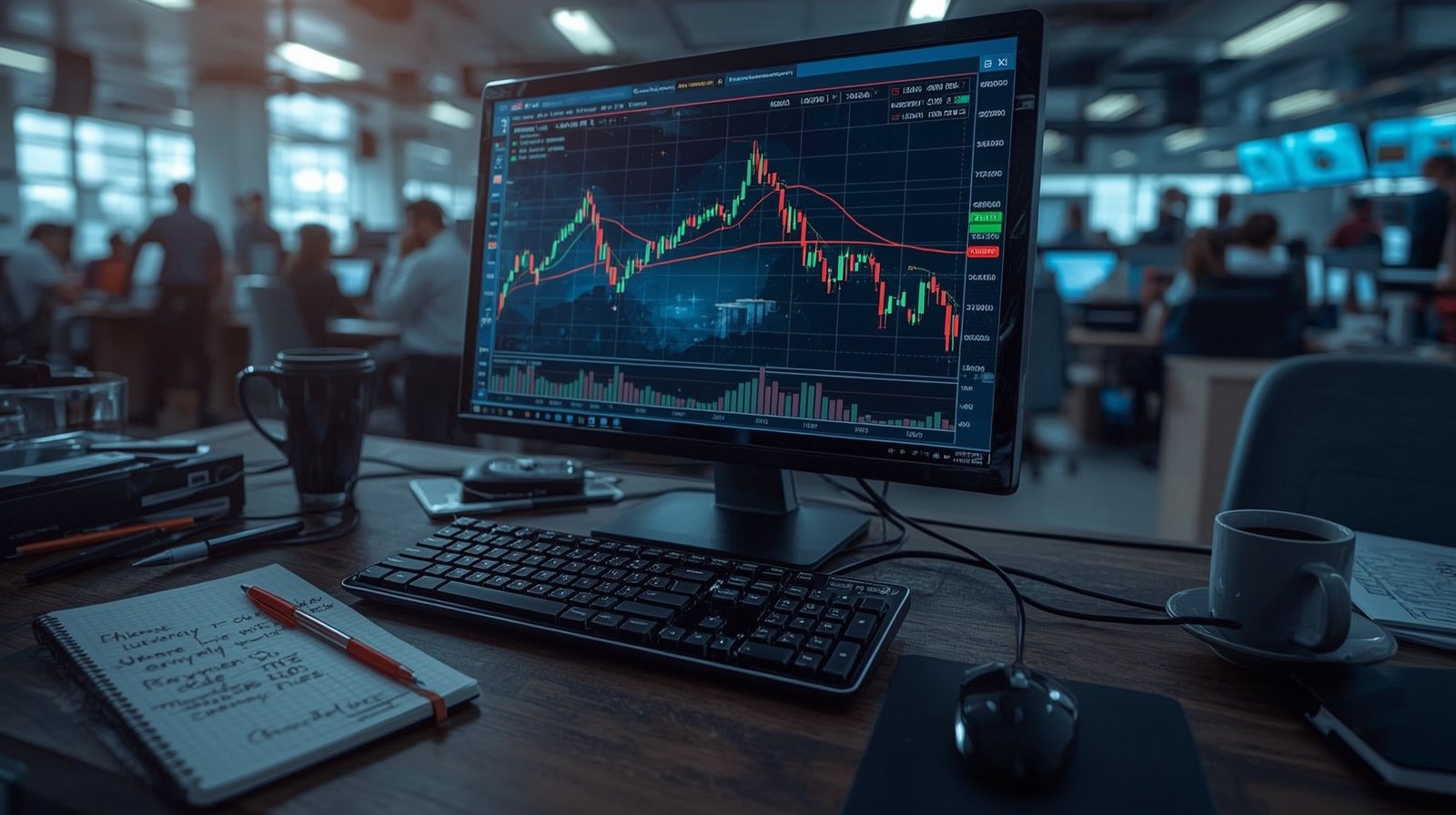
The financial world has changed dramatically over the past decade. What once required teams of analysts, complex spreadsheets, and hours of manual research can now be done in seconds using artificial intelligence. Portfolio management, traditionally reserved for wealthy individuals with access to private advisors, is becoming accessible to everyday investors through AI-powered tools and platforms.
AI is transforming portfolio management by analyzing massive amounts of market data in real time, identifying patterns humans might miss, and executing trades automatically based on predefined strategies. This technology reduces emotional decision-making, operates continuously across global markets, and provides institutional-grade analysis to retail investors at lower costs than traditional advisory services.
The Evolution From Traditional to AI-Driven Portfolio Management
Traditional portfolio management relied heavily on human expertise. Financial advisors would meet with clients quarterly or annually, review holdings, and make adjustments based on market conditions and personal circumstances. While this approach worked for decades, it had significant limitations.
Human advisors can only monitor so many data points. They work during business hours in specific time zones. Emotional biases can creep into decision-making, especially during market volatility. And the cost of personalized advisory services often put them out of reach for investors with smaller portfolios.
AI investing has changed this landscape fundamentally. Modern systems can process thousands of data points simultaneously, including price movements, trading volumes, economic indicators, news sentiment, and historical patterns. They operate continuously without breaks, monitoring global markets around the clock. And they make decisions based purely on data and programmed parameters, eliminating emotional reactions to market swings.
The shift toward algorithmic trading and automated portfolio management has been gradual but steady. Large institutional investors have used these technologies for years. Now, fintech automation is bringing similar capabilities to individual investors through accessible platforms and services.
Key Technologies Behind Modern Portfolio Optimization
Several AI technologies work together to power modern portfolio management systems. Understanding these components helps investors evaluate different platforms and tools.
Machine learning algorithms form the foundation of most AI-driven systems. These algorithms learn from historical data to identify patterns and relationships between different market variables. As they process more information over time, they can refine their predictions and adapt to changing market conditions.
Natural language processing enables systems to read and interpret news articles, earnings reports, social media posts, and other text-based information. This technology helps AI systems gauge market sentiment and react to breaking news that might impact specific investments or entire markets.
Predictive analytics uses statistical models and historical data to forecast potential outcomes. While no system can predict the future with certainty, these tools can estimate probabilities and help identify opportunities or risks that warrant attention.
Risk management algorithms continuously monitor portfolio exposure and adjust positions to maintain desired risk levels. These systems can implement stop-losses, diversification requirements, and other protective measures automatically without requiring manual intervention.
Companies like Korvato have developed specialized systems such as Optimus AI that combine these technologies specifically for currency markets. These best AI trading bot platforms analyze forex data in real time, identify potential trading opportunities, and execute trades with institutional-level speed while allowing users to maintain control over their accounts and risk parameters.
Practical Benefits for Today’s Investors
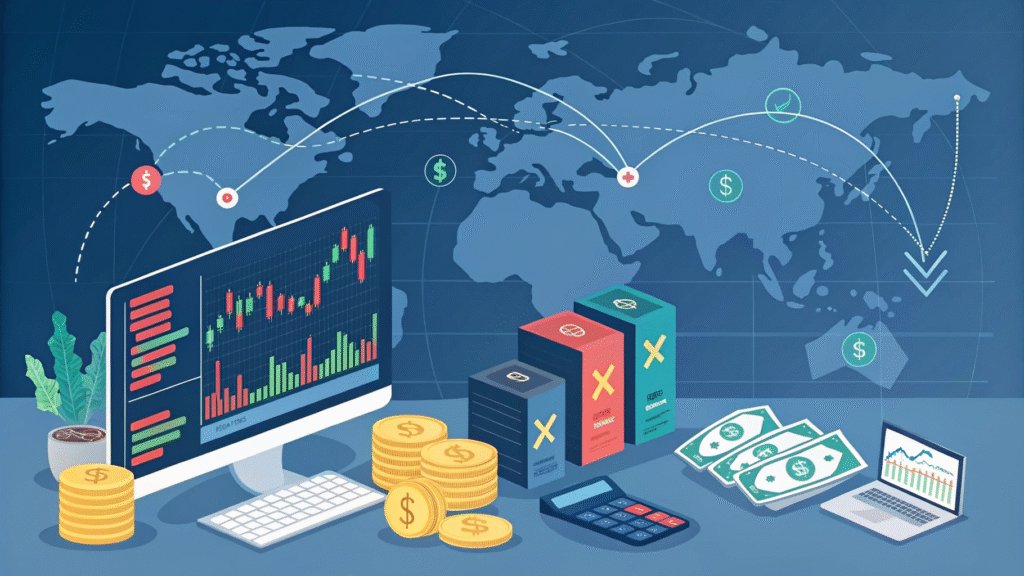
The shift toward AI-powered portfolio management delivers several tangible advantages for investors at different experience levels.
Speed and Efficiency
AI systems process information and execute trades in milliseconds. When market opportunities appear, automated systems can act before human traders even notice the change. This speed advantage is particularly valuable in fast-moving markets where delays of even seconds can impact returns.
Emotion-Free Decision Making
Fear and greed drive many poor investment decisions. Investors panic and sell during downturns, locking in losses. They chase hot trends at market peaks, buying high. AI systems follow their programmed strategies regardless of market sentiment, maintaining discipline that many human investors struggle to achieve.
Continuous Market Monitoring
Global markets operate across different time zones. Currency markets, for example, trade 24 hours a day during the business week. AI systems never sleep, allowing them to monitor positions and respond to opportunities or threats at any hour. This constant vigilance provides protection and opportunity capture that would be impossible for individual investors to maintain manually.
Data-Driven Insights
AI platforms can analyze relationships between hundreds of variables simultaneously. They might identify correlations between commodity prices, interest rate movements, political events, and currency valuations that would take human analysts days or weeks to uncover. These insights can inform better portfolio allocation decisions.
Cost Efficiency
Traditional wealth management services typically charge between one and two percent of assets under management annually. AI-driven platforms often operate at lower cost structures, making sophisticated portfolio management economically viable for investors with smaller account sizes.
Important Considerations and Limitations
While AI brings powerful capabilities to portfolio management, investors should understand its limitations and maintain realistic expectations.
No technology eliminates investment risk. Markets can behave unpredictably, and past performance never guarantees future results. AI systems make decisions based on historical data and programmed parameters, but they cannot foresee unprecedented events or market conditions that fall outside their training data.
Quality varies significantly between platforms. Some systems use sophisticated algorithms developed through years of research and testing. Others make exaggerated claims about capabilities they don’t actually possess. Investors researching platforms should look for transparency about methodology, realistic performance expectations, and clear risk disclosures.
Questions about legitimacy naturally arise with new technology. Some investors wonder “is Korvato scam or legitimate?” when evaluating AI trading platforms. Reputable companies provide clear information about their technology, maintain proper regulatory compliance, ensure users retain control of their capital, and set realistic expectations about both opportunities and risks.
Human oversight remains important. AI should augment human decision-making, not replace it entirely. Investors should understand their risk tolerance, review their portfolio strategy regularly, and ensure their automated systems align with their financial goals and circumstances.
| Aspect | Traditional Management | AI-Driven Management |
|---|---|---|
| Operating Hours | Business hours only | 24/7 monitoring |
| Data Processing | Limited by human capacity | Thousands of data points simultaneously |
| Emotional Influence | Subject to bias | Objective, rules-based |
| Execution Speed | Minutes to hours | Milliseconds |
| Minimum Investment | Often $100,000+ | Varies, often lower |
| Typical Costs | 1-2% of assets annually | Platform-dependent, often lower |
Choosing the Right Approach for Your Situation
AI-powered portfolio management isn’t equally suitable for every investor. Your decision should depend on several personal factors.
Investment goals matter significantly. Are you building long-term wealth for retirement, or actively trading for shorter-term gains? Different AI systems optimize for different objectives. Some focus on steady, diversified growth. Others, like specialized algorithmic trading platforms for forex markets, target more active strategies.
Risk tolerance should guide your platform selection and parameter settings. Most AI systems allow users to adjust risk levels, but you need to honestly assess how much volatility you can accept psychologically and financially.
Time commitment varies between approaches. Some investors want completely hands-off automation. Others prefer systems that provide recommendations but leave final decisions to the user. Consider how much time you want to spend monitoring and adjusting your portfolio.
Technical comfort matters when evaluating platforms. Some systems require understanding of trading concepts and parameters. Others simplify the interface for users who want sophisticated technology without technical complexity.
Capital available influences which options make sense. Some platforms have minimum account sizes. Others welcome smaller investors. Consider not just the minimum but what account size makes the cost structure worthwhile.
For investors interested in currency markets specifically, platforms like Korvato’s Optimus AI demonstrate how specialized AI systems can focus on particular market segments while providing tools appropriate for both experienced traders and those newer to forex investing.
Looking Ahead: The Future of AI in Wealth Management
AI technology continues advancing rapidly. Several trends will likely shape portfolio management in coming years.
Personalization will increase as systems better understand individual investor preferences, circumstances, and goals. Rather than one-size-fits-all strategies, AI will tailor approaches to specific situations with greater precision.
Integration across financial life will expand. Future systems may coordinate investment strategies with tax planning, estate planning, insurance needs, and other financial dimensions, providing holistic guidance rather than isolated portfolio management.
Transparency and explainability will improve as regulators and users demand better understanding of how AI systems make decisions. Rather than “black box” algorithms, newer systems will provide clearer reasoning for their recommendations and actions.
Regulatory frameworks will evolve as authorities develop standards for AI-driven financial services. This oversight should provide investor protections while allowing innovation to continue.
The democratization of sophisticated financial tools will continue. Technologies once available only to institutional investors will become increasingly accessible to individuals, potentially reducing wealth inequality and improving financial outcomes for more people.
Making Informed Decisions About AI Portfolio Tools
Artificial intelligence has fundamentally changed portfolio management, providing tools that process vast amounts of data, operate continuously across global markets, and execute strategies without emotional bias. These capabilities offer genuine advantages for investors seeking efficient, disciplined approaches to building wealth.
However, technology alone doesn’t guarantee success. Investors should carefully evaluate platforms, understand both capabilities and limitations, maintain realistic expectations about returns and risks, and ensure any automated system aligns with their personal financial situation and goals. All investing carries risk, and users remain responsible for their own decisions regardless of the tools they employ.
The financial landscape will continue evolving as AI capabilities advance. Investors who understand these tools, use them appropriately, and maintain informed oversight position themselves to benefit from technology while managing the risks inherent in any investment strategy.
Disclaimer: Trading involves risk and may result in the loss of your capital. Past performance does not guarantee future results. All information provided on this website is for educational and entertainment purposes only. Korvato provides software tools and does not offer financial, investment, or brokerage services. Always trade responsibly.